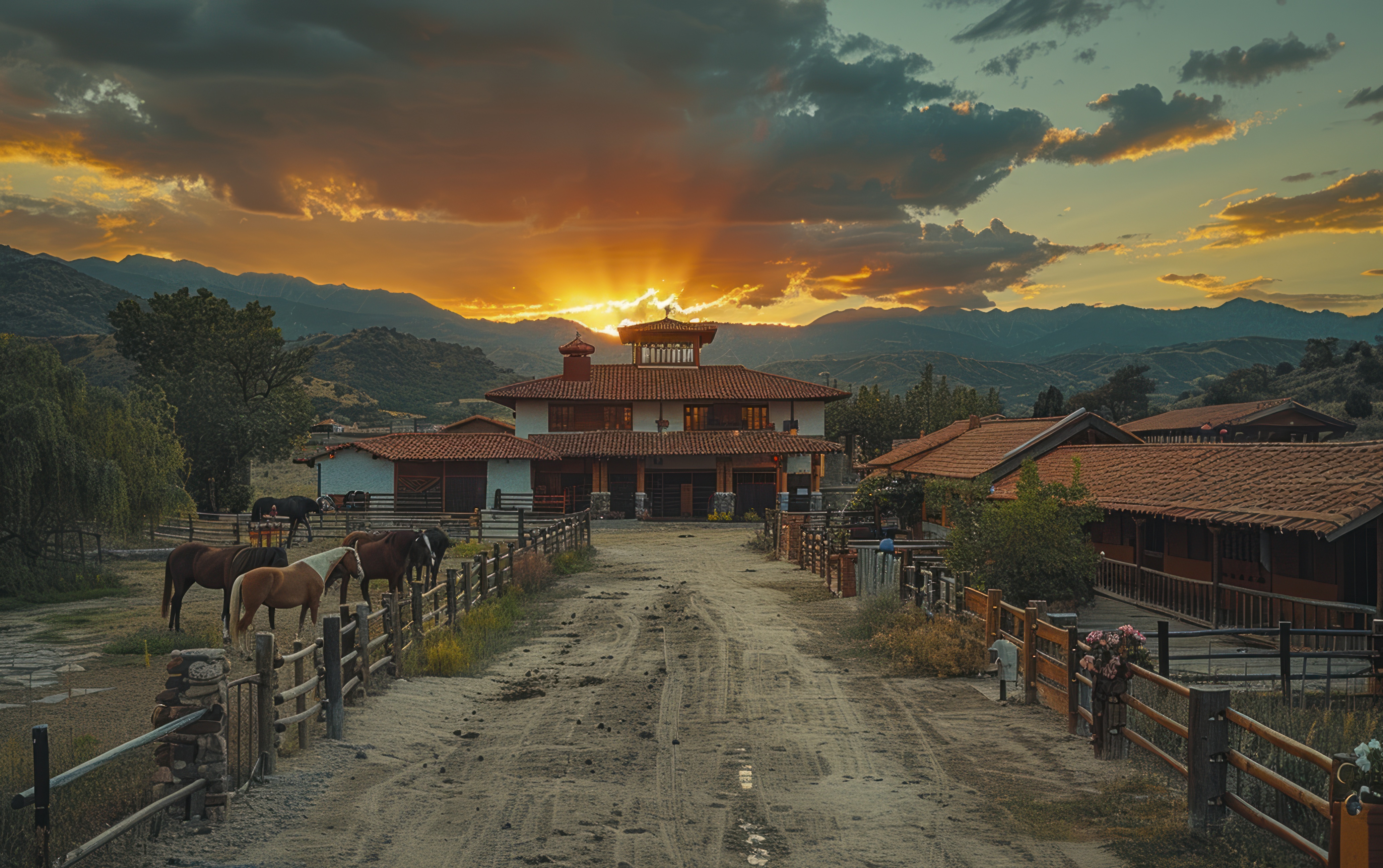
kurvande village lonavala
- TravelLonavala Has a Secret. It's Called Kurvande Village.
Everyone knows the Lonavala on the Mumbai-Pune expressway. The chikki shops. The fog rolling over the valley at Bhushi Dam. Tiger's Leap with the tourist crowd three deep at the railing. This version of Lonavala is fine. It's also the version that approximately two million people visit every year and describe in identical terms.
Kurvande village Lonavala is the other version. The one sitting quietly in the Sahyadri folds below the main ridge, accessible by a road that most expressway travellers don't notice because nothing on the highway signals that something worth finding is down there. The one with the waterfall. The valley views. The trek routes that the Lonavala crowd hasn't processed into a scheduled activity yet.
Finding it changes what Lonavala means as a destination.
Where Kurvande Actually Sits
The village sits at the base of the Lonavala escarpment, the dramatic drop where the Deccan plateau edge falls away toward the Konkan coast. The geography that produces the viewpoints above Lonavala produces something different down here. Not the panoramic view looking outward. The enveloping valley looking upward, the cliffs rising around the settlement, the Sahyadri walls forming the context rather than the backdrop.
The trek down from Lonavala ridge to Kurvande village Lonavala is the route that the serious Sahyadri trekker knows and the casual day-tripper hasn't discovered. The descent through the dense deciduous forest, teak, Indian gooseberry, the mixed forest cover that the Western Ghats produces on its western slopes, takes approximately two hours at a comfortable pace. The village emerges at the bottom as proof that people have been living in these valleys long before the Mumbai-Pune expressway was a concept.
The Kune Falls upper viewpoint is accessible from the route, the same falls visible from the Lonavala road are experienced entirely differently from the valley floor, the full drop visible from below rather than the partial view the top provides.
The Waterfall That the Trek Is Actually For
Water defines Kurvande village Lonavala as a destination. The village sits in a valley where multiple seasonal streams converge, the monsoon months turning the surrounding landscape into the kind of green and wet spectacle that makes the Sahyadri one of India's more dramatic trekking environments in July and August.
The Kune Falls in monsoon, viewed from the valley floor near Kurvande, is the specific visual experience that brings photographers and serious trekkers here rather than staying at the easy viewpoints above. The water volume. The noise. The mist that the falling water creates in the still valley air. The scale that the valley-floor perspective provides that the highway viewpoint doesn't.
The stream crossings on the trail approach are the practical dimension that the monsoon adds, the knee-deep crossings that make the trek adventurous in the specific way that Sahyadri monsoon trekking produces. Not dangerous. Genuinely immersive. The kind of trekking that requires actual footwear decisions rather than the trail runners that the easy viewpoints accommodate.
What Else Kurvande Connects To
Kurvande village Lonavala sits within a trekking network that the Sahyadri enthusiast builds itineraries around.
- Rajmachi Fort is the larger historical destination in this direction, the twin-peaked fort that guards the Bhor Ghat pass, accessible via Udhewadi village from one route and connectable from the Kurvande valley approach on the longer circuit. The fort dates from the Maratha period and sits at an elevation that provides the strategic view across the pass that its builders required and that the trekker today finds worth the climb.
- The Kondane Caves, rock-cut Buddhist caves from approximately the 1st century BCE, sit in the same valley system, accessible from routes that pass through this part of the Lonavala escarpment. The ancient and the natural in the same day's walking.
- Visapur and Lohagad forts, two of the Sahyadri's better-preserved Maratha fortifications, are accessible from the plateau above as the trekker returns, the fort circuit that serious trekkers build around the Lonavala base.
Where the Lonavala Trek Ends Properly
Off the Old Mumbai-Pune Highway, Hotel Grand Visava is where the Kurvande trail finally exhales. Over 30+ well-appointed rooms across Premium, Superior, and Suite categories, spacious, air-conditioned, and opening to mountain and pool views that actually feel earned after the descent. A swimming pool that does more than look good, it restores. Garam Masala restaurant that understands post-trek hunger, generous, satisfying, vegetarian and non-vegetarian. Add a game zone, fitness centre, and parking.
Almost 87 km from Mumbai, this isn’t a stay, it’s the recovery your trek deserves, turning effort into a complete, well-finished Lonavala experience.
The Lonavala Worth Finding
Two million people visit Lonavala annually. Most of them see the same chikki shops and the same Tiger's Leap railing. The ones who find Kurvande village Lonavala, the valley, the waterfall from below, the forest descent, the village that exists because people found this geography worth living in long before the tourists arrived, find the version of the hill station that the expressway doesn't show.
The road up is obvious. The road down to Kurvande is the one worth taking.
Leave a Reply
Your email address will not be published.